

Introduction – Why It Matters
Effective communication is foundational to AMANN’s success. The TIER system ensures that critical information flows seamlessly between frontline staff and leadership, enabling quick escalation, timely response, and consistent alignment with strategic objectives. Whether you’re in production or senior management, understanding this approach is integral to contributing to our continuous improvement culture.
The 5 Tier Communication Structure
| Tier | Who? | When? | Purpose |
| Tier 1 | Frontline teams & shift leaders | Each shift (2–3× daily) | Review KPIs, address safety/issues, set shift goals |
| Tier 2 | IPT, supervisors, support functions | Daily (morning) | Tackle unresolved Tier 1 issues with cross‑functional input |
| Tier 3 | Plant/site leadership & department heads | Daily | Review escalations, performance trends, resource allocation |
| Tier 4 | IPT leads, COE experts | Weekly | Address systemic issues, approach continuous improvement |
| Tier 5 | Exec leadership, site stakeholders | Monthly | Strategize aligned performance and global AMANN goals |
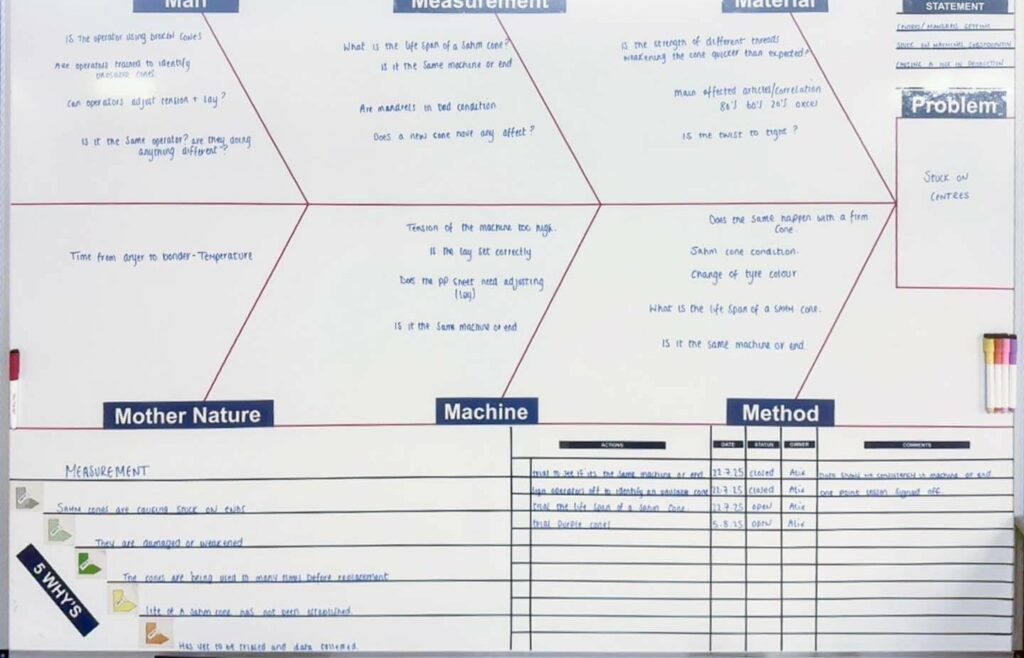
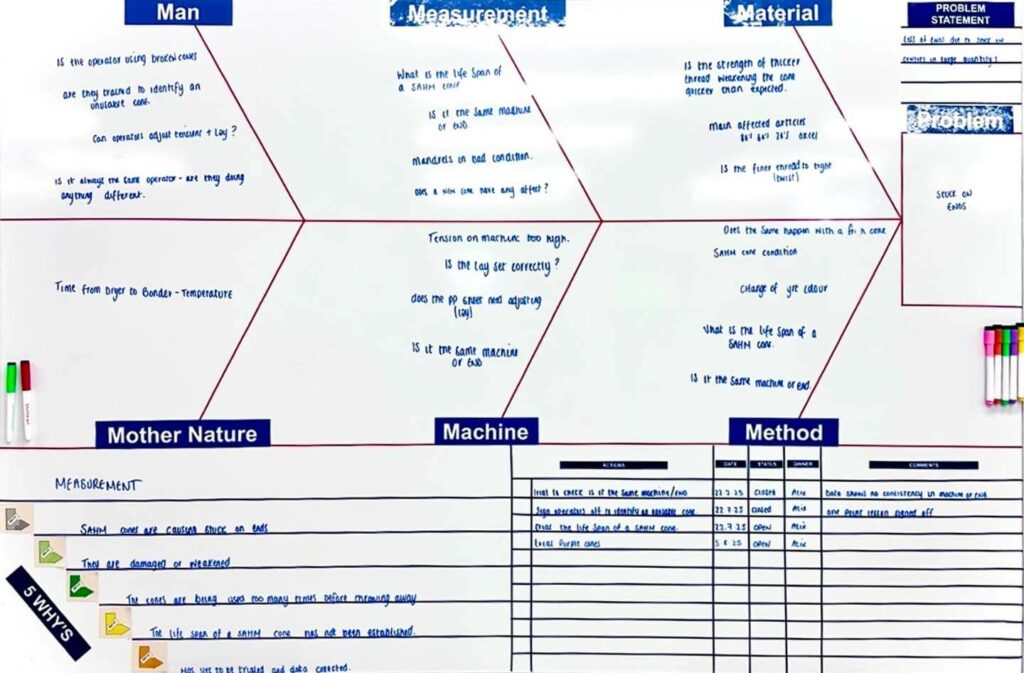
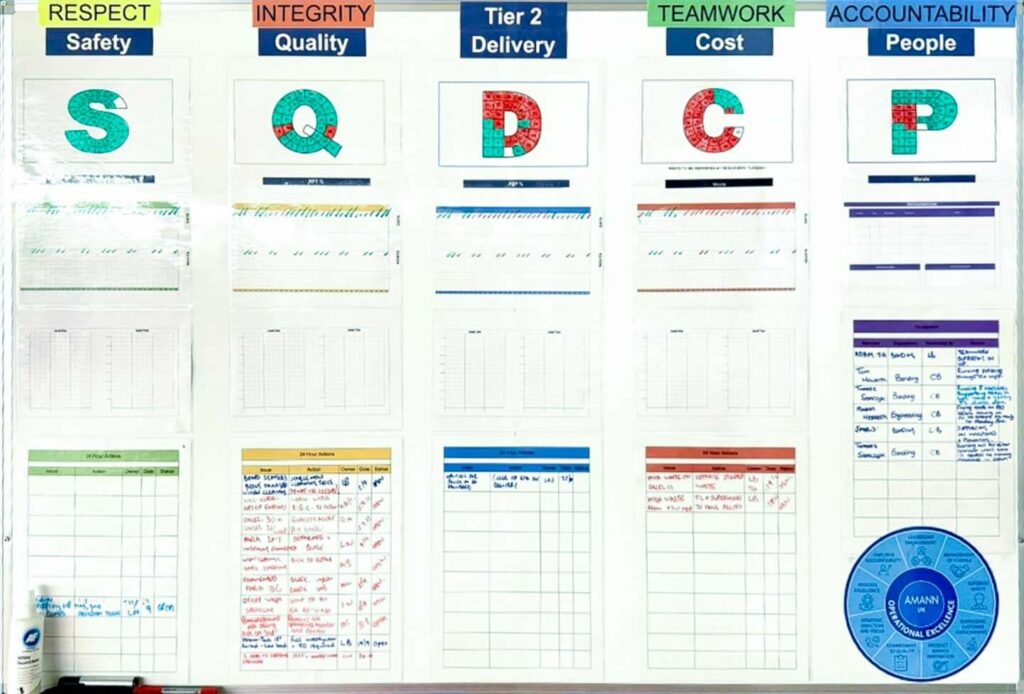
How It Works in Practice
Tier Meetings as Short Interval Management
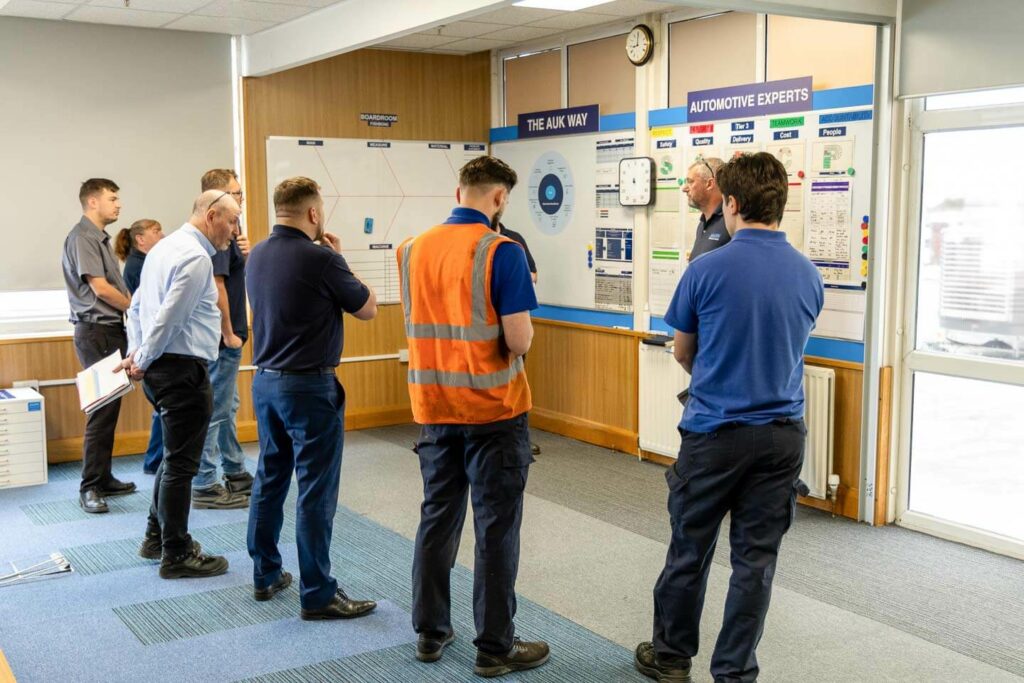
Tier meetings are brief (10–30 minutes), stand up sessions grounded on daily performance reviews, quick problem focused discussions, and action driven outcomes
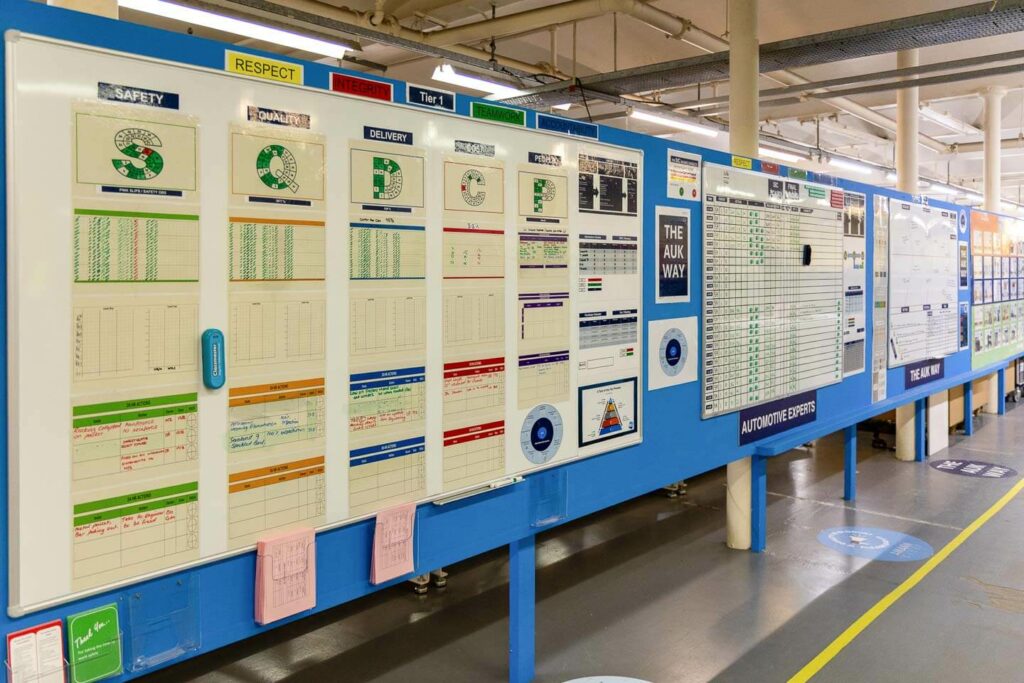
Visual Management is Key
Visual management tools ensure information is visible, consistent, and actionable. This follows lean principles (‘mieruka’) and eliminates hidden inefficiencies
- Real time data and color coding (e.g., SQDCP boards) ensure clarity and rapid response.
- Digital tier boards offer automated updates, remote visibility, and history tracking—unlocking faster assessments and integration with MES systems
Tier 1–3 Workflow Example
- Tier 1 (Shift Start/End)
Quick huddles focused on SQDCP (Safety, Quality, Delivery, Cost, People). Shift targets are set and reviewed with immediate feedback - Tier 2 (Morning)
Supervisors escalate unresolved issues from Tier 1. Cross-functional input (maintenance, quality, engineering) is integrated - Tier 3 (Site Leadership)
Broader strategic oversight, coordinating escalations, reviewing trend KPIs and allocating resources. Critical issues are elevated here - Tier 4–5
Tier 4 (weekly) focuses on systemic improvement; Tier 5 integrates site performance with global AMANN strategic goals.
Key Benefits Backed by Industry Insights
- Stronger Communication & Reduced Silos:
Tier meetings break down departmental barriers and ensure cross-level visibility - Faster Problem Solving:
Escalations move rapidly through tiers enabling timely resolutions at the right level - Enhanced Accountability:
Clear ownership through visual boards and action tracking promotes follow through - Employee Engagement:
Teams are empowered to voice issues and propose solutions during short, daily interactions - Operational Excellence Gains:
Companies adopting tiered structures often experience up to 30 % improvement in key performance metrics
Best Practices for TIER Implementation
- Start Where You Are:
Begin with existing meetings (Tier 3 or Tier 1) and extend gradually - Choose Focus KPIs:
Limit metrics to the most impactful KPIs (e.g., SQDCP) to keep meetings concise - Use Visual Tools:
Employ boards or digital solutions—emphasize real-time data, color-coded visuals, and escalation identifiers - Ensure Cadence & Routine:
Keep meetings consistent in duration and frequency—stand ups promote engagement - Clarify Escalation Protocols:
Define which issues should move between tiers, avoiding overlap and wasting time - Track & Follow Up Actions:
Record action owners and deadlines; regularly review progress in subsequent meetings
Example: SQDCP Board in Action
| Category | Purpose | Visual Cue | Action |
| Safety | Report incidents, near‑misses | 🔴/🟡/🟢 | Add immediate safety measures |
| Quality | Log defects/rework | 🔴/🟢 | Identify root causes |
| Delivery | Track output vs. plan | 🔴/🟡/🟢 | Allocate resources |
| Cost | Monitor scrap/efficiency | 🔴/🟡/🟢 | Trigger cost‑saving actions |
| People | Staff, training, morale | 🔴/🟡/🟢 | Schedule interventions |
Summary – Why You Should Care
- The tiered system provides speed, structure and focus in managing operations.
- Visual boards and data consistency drive transparency and accountability.
- Active participation at every tier supports AMANN’s mission of delivering operational excellence across the globe.
- With disciplined cadence and clear escalation logic, the TIER system becomes a competitive advantage—and a daily routine for smarter, faster results.
Reflective Questions
- Which issues should be escalated to the next tier to avoid delays or cost impacts?
Think about which topics exceed your responsibility or require broader decision-making. - What types of problems can and should be solved directly at your level?
Consider how you can take ownership to reduce inefficiencies and save time. - How do you currently ensure that follow-up actions are tracked and completed?
Reflect on your habits and tools to keep tasks visible and closed effectively. - How can applying the SQDCP structure help reduce waste or prevent errors in your daily work?
Identify concrete ways to increase productivity through better structure. - In what ways does TIER support faster decision-making and better use of resources in your area?
Think about how clear communication and visibility improve results. - What can you personally do to make your team’s TIER meetings more impactful and result-oriented?
Focus on actions that bring clarity, save time, and improve outcomes.